
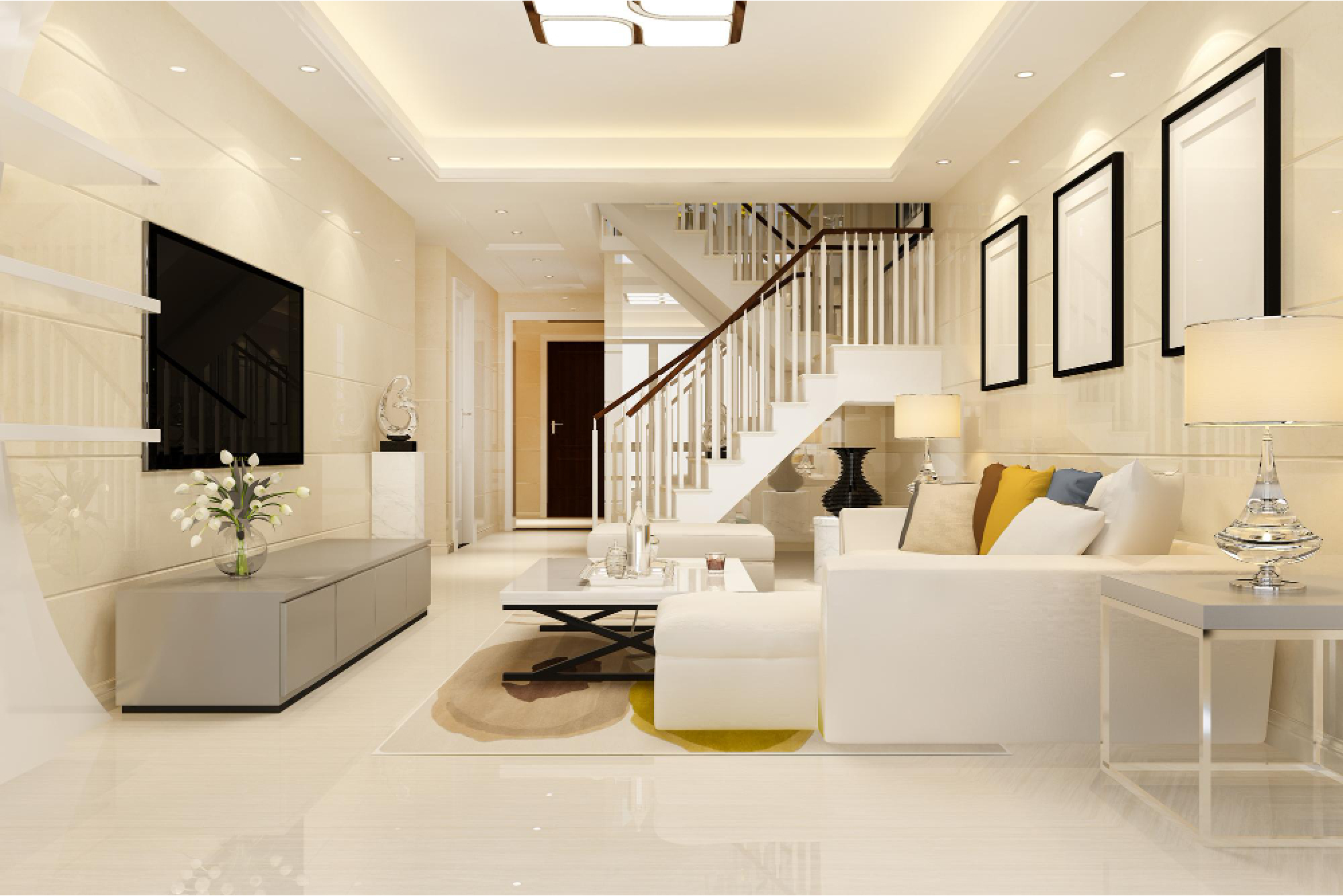
Interior design is the art and science of enhancing the interior of a space to achieve a healthier, more functional, and visually appealing environment for the people using it. It goes far beyond decoration—it’s about how a space works, flows, and feels. A well-designed interior improves comfort, productivity, and mood, whether it’s in a home, office, retail store, or restaurant.
An interior designer does more than just pick out colors and furniture. They assess the layout, lighting, acoustics, and spatial relationships within a room to create cohesive and effective designs. They work closely with architects, contractors, and clients to plan interior layouts, select materials, and ensure that the final look aligns with both the client’s vision and the project’s practical needs.
Effective interior design blends several key elements to create harmony in a space:
Interior design isn’t one-size-fits-all. There are numerous styles, each with its own aesthetic and practical appeal. Common styles include:
A skilled designer helps clients find or blend styles that reflect their personal taste and fit the purpose of the space.
Hiring a professional interior designer saves time, reduces costly mistakes, and adds long-term value to a space. Designers understand how to maximize small rooms, choose durable materials, and create spaces that balance beauty with function. For businesses, good design can even improve brand image, employee satisfaction, and customer experience.
Today’s design trends emphasize sustainability, comfort, and technology. Homeowners and businesses are opting for eco-friendly materials, smart lighting systems, and multipurpose furniture. Biophilic design—bringing nature indoors through plants, wood, and natural light—is also on the rise, creating healthier and more inviting environments.
Interior design transforms spaces into places people love to live and work in. It’s about more than aesthetics—it’s about creating environments that support lifestyle, productivity, and well-being. Whether you’re furnishing a new home or rethinking your workspace, thoughtful design makes a lasting impact. At Savea Construction, we bring interiors to life with creativity, precision, and a focus on quality that our clients trust.